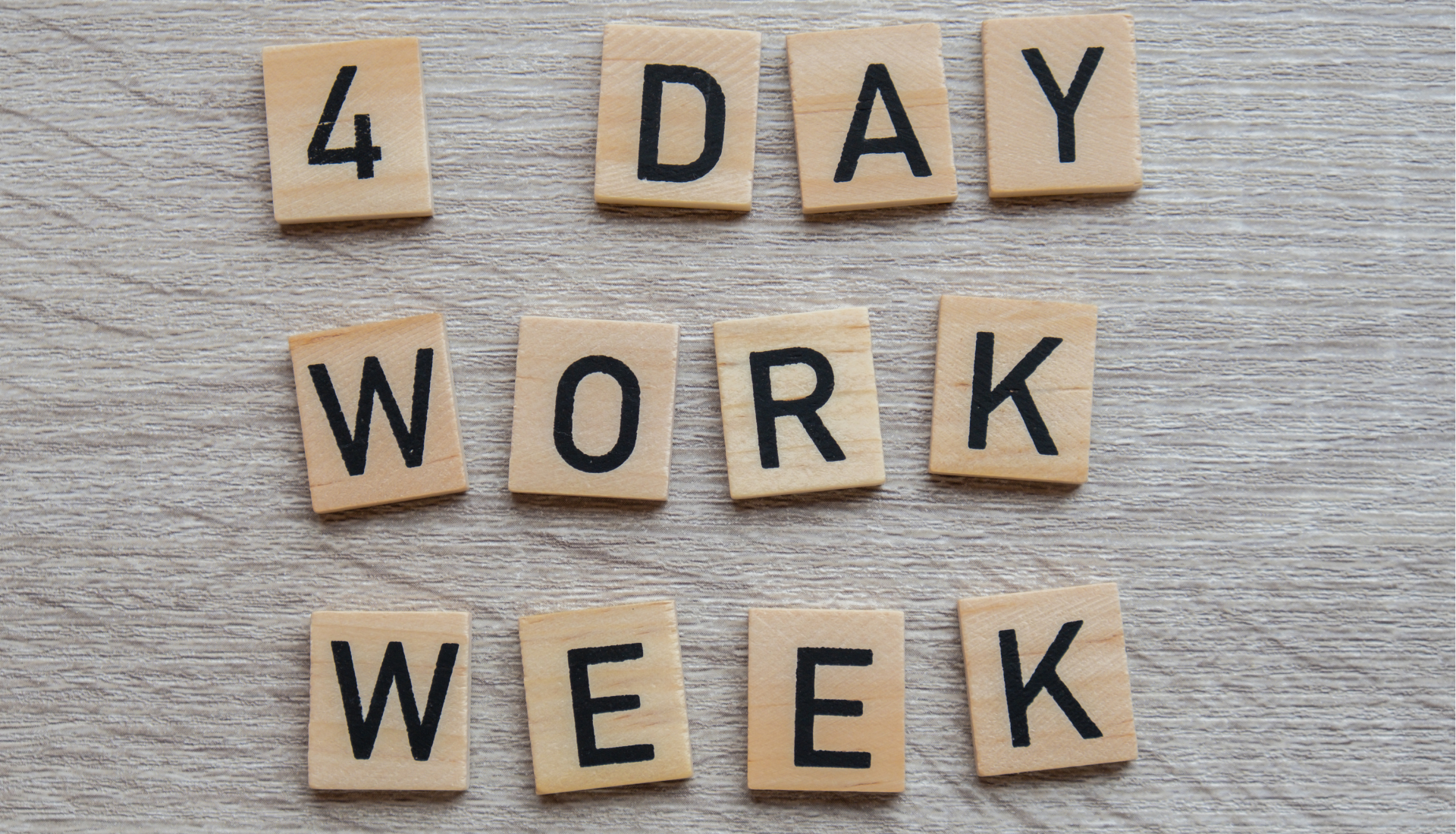
In recent years, the four-day work week has gained momentum around the world—and for good reason. More than just a trend, it’s a shift toward more equitable, sustainable, and human-centered workplaces.
At O Strategies, we’ve been living this transformation since 2022. Here’s how we approached it, what we learned, and the tools we recommend for anyone considering this bold, thoughtful change.
WHY A FOUR-DAY WORK WEEK?
Studies show that a shorter work week can increase productivity, reduce stress, improve mental health, and enhance work-life balance. People report being more focused, more creative, and more engaged when given time to rest and reset.
Case Study: Iceland’s national experiment with the four-day week found that worker well-being improved significantly while productivity remained the same—or even improved.
🔗 Read the study
HOW WE DID IT AT O STRATEGIES
Our organization thrives on shared leadership and collective decision-making. We explored the idea together, shared research, voiced our hopes and concerns, and co-designed the approach.
Our Process:
- Proposal and discussion with the team
- Vote using the Five-to-Fold method
- Three-month pilot with monthly check-ins
- Mid-point and final evaluations
- Continual adjustments based on feedback
We shifted to 32 hours/week over four days (Monday to Thursday), without condensing 40 hours into fewer days.
WHAT WE’VE NOTICED SO FAR
✅ Improved focus and efficiency
✅ Reduced sick leave
✅ Higher engagement and stronger retention
✅ More space for creativity and flow
✅ Transparent communication with clients
✅ Reinforced organizational values in action
WHAT MAKES IT WORK?
🧘♀️ Breaks are sacred — Regular pauses help prevent burnout
📅 Daily and monthly check-ins to support planning and well-being
⚖️ Equitable distribution of work across the team
📣 Work Out Loud — We let clients and partners know about our rhythm
🛠 Tools and coaching are offered to strengthen time and energy management
WHAT WE’VE LEARNED
This isn’t about cramming five days into four. It’s about redefining success and productivity. A shorter week invites more meaningful work, stronger boundaries, and deeper collaboration.
We recognize this may not fit every context, but with intention, transparency, and care, it can be a powerful culture shift.
EXPLORE THE RESEARCH
🌿 Well-Being at Work Index (French)
⏳ Personal Productivity Assessment – Michael Hyatt